Community
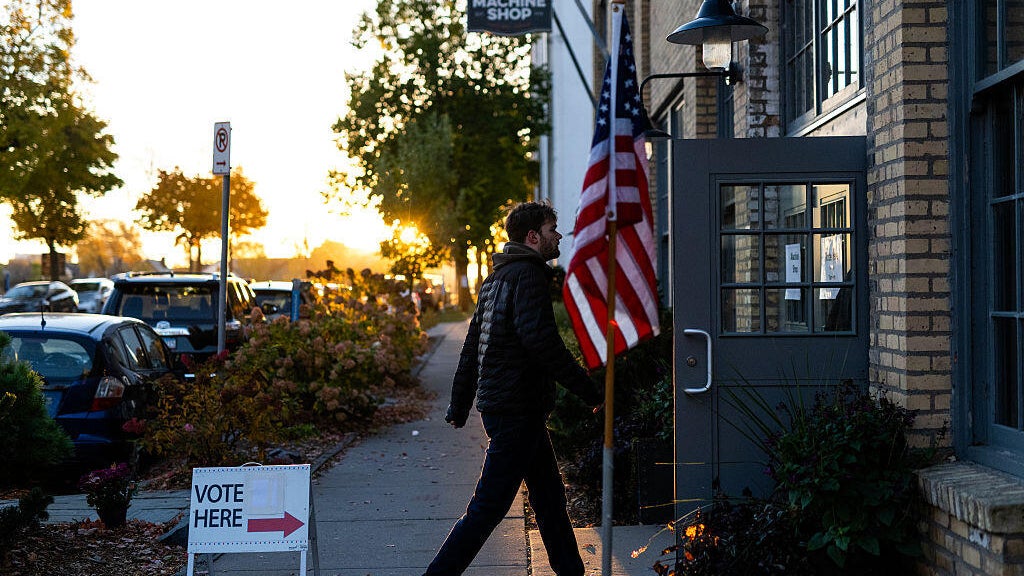
Early in-person voting ends today in Minnesota: Here's what to know
By Katherine Langford
Advertisement · Why this ad?
Marcus manages the day-to-day editorial workflow across all brands, coordinating coverage assignments and ensuring editorial standards are met. He previously served as city editor at the Pioneer Press and holds a degree in Political Science from Carleton College.
More from Marcus →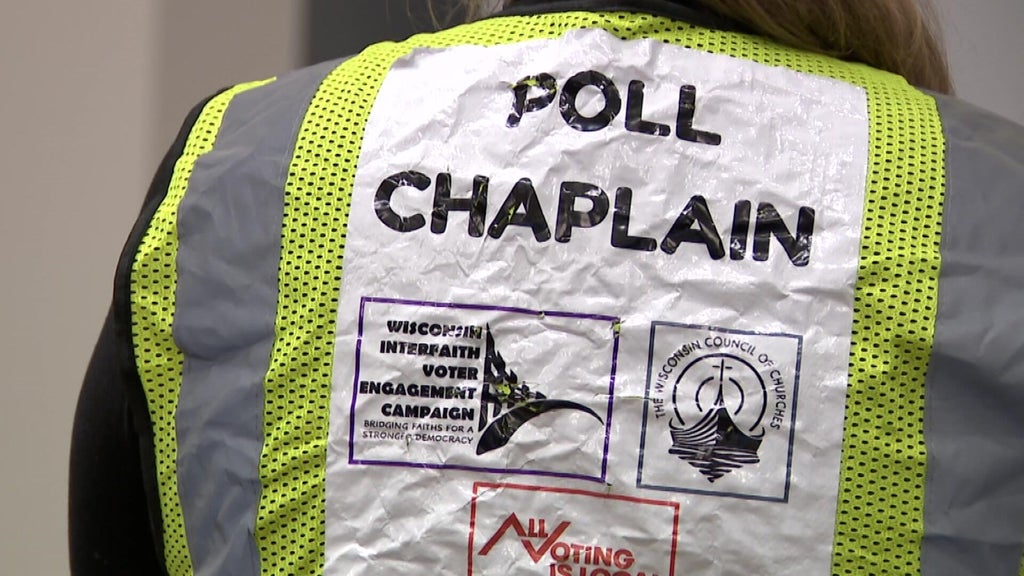
On a crisp November morning, Kendra Grams stood outside the First Presbyterian Church in Hudson, Wisconsin, greeting voters with a warm smile and a friendly wave. As a poll chaplain, her mission is clear: to create a peaceful environment at polling places during one of the most contentious times in American democracy. This initiative, led by the Wisconsin Council of Churches, is mobilizing faith leaders across the state to serve as calming presences at the polls.
As the election approaches, clergy from various denominations are stepping up to volunteer as poll chaplains. This program is not just about facilitating a smooth voting process; it’s about embodying the very principles of love, justice, and peace that many faith traditions advocate. Grams, who began this journey in 2024, explains, "Being involved through voting is one way that we help to bring about the world that our faith teaches us." The initiative aims to bridge divides and foster a sense of community, especially in a time marked by political polarization.
The Wisconsin Council of Churches has partnered with the Wisconsin Interfaith Voter Engagement Campaign to train these volunteers. Participants are instructed to maintain a respectful distance of over 100 feet from polling places, ensuring they comply with state regulations while still offering support to voters.
This program is part of a larger movement. According to the Associated Press, Faiths United in Saving Democracy has trained over 1,000 poll chaplains across eight states, highlighting the growing need for trusted community figures in this charged electoral climate.
The response from local communities has been overwhelmingly positive. Many residents appreciate the presence of clergy at polling sites, seeing it as a reminder of shared values and community spirit. Grams notes that the initiative is designed to include clergy from diverse backgrounds and political beliefs, emphasizing unity over division.
Grams articulates the heart of the initiative: "Hopefully, across the state, it's clergy of all different kinds and all different political persuasions participating together." This approach aims to foster dialogue and understanding among voters, regardless of their differing beliefs. As tensions rise in many parts of the country, such efforts are crucial for maintaining a sense of civility and neighborliness.
Local faith leaders are also actively engaging with their congregations to encourage participation in the electoral process. Many see voting as a civic duty that aligns with their spiritual beliefs. The act of voting becomes not just a personal choice but a communal responsibility, reinforcing the importance of strong families and stable communities.
The role of faith leaders in this initiative is not just symbolic; it carries real implications for community cohesion. In a society where divisive rhetoric often dominates, the presence of poll chaplains serves as a reminder of our shared humanity. By fostering an environment of respect and understanding, these leaders are helping to mitigate potential conflicts at polling places.
Moreover, this initiative aligns with broader societal values that emphasize the importance of family and community. Strong marriages and intact families are often the backbone of civic engagement. When faith leaders encourage their congregations to vote, they are also promoting the idea that active participation in democracy is a reflection of one’s values.
For those looking to engage in the upcoming elections, the Wisconsin Council of Churches has provided numerous resources. Voters can find information about polling locations, registration requirements, and candidates on their official website. Additionally, local churches and community organizations are hosting informational sessions to help educate voters about the issues at stake.
The Wisconsin Interfaith Voter Engagement Campaign also offers tools for voters to understand their rights and responsibilities. Their aim is to ensure that every voice is heard and every vote counts, reinforcing the democratic principle that every citizen has the right to participate in shaping their community.
As Election Day approaches, the role of poll chaplains in Wisconsin is poised to expand. With the ongoing training and recruitment of clergy, the initiative is set to grow in both scope and impact. Leaders like Grams are optimistic that their efforts will inspire similar movements in other states, promoting a culture of respect and understanding in the electoral process.
In a time when many Americans feel alienated from the political system, the presence of faith leaders at polling places offers a glimmer of hope. It’s a reminder that, despite our differences, we can come together as neighbors. By encouraging civic engagement through a lens of love and justice, poll chaplains are not just facilitating voting; they are nurturing the fabric of community life.
To understand the impact of this initiative, it is essential to hear from those who are actively participating in the program. One such volunteer, Reverend Tom Anderson from Milwaukee, shared his experiences from the last election. "I met a woman who was hesitant to vote because she felt her voice didn’t matter," he recalled. "After a brief conversation, she decided to cast her ballot. It was a small moment, but it felt monumental. That’s what this is all about—helping people realize their power in democracy."
Another chaplain, Sister Mary Elizabeth from a Catholic parish in Green Bay, emphasized the importance of interfaith collaboration. "Working alongside my Muslim and Jewish colleagues has been enlightening. We may have different beliefs, but we share a commitment to our communities and the democratic process. It’s beautiful to see us all come together for a common cause," she said.
The involvement of faith leaders as poll chaplains is part of a larger trend of civic engagement seen across the nation. In recent years, various organizations have recognized the importance of grassroots efforts to mobilize voters. This initiative is not just about elections; it’s about fostering a culture of civic responsibility that transcends political affiliations.
In Wisconsin, the history of civic engagement is rich and varied. From the Progressive Era to contemporary movements advocating for social justice, the state has a legacy of citizens standing up for their rights and the rights of others. The poll chaplain initiative taps into this tradition, reminding voters that their participation is crucial for shaping the future of their communities.
One of the key aspects of the poll chaplain program is its nonpartisan nature. By ensuring that clergy from different faith traditions and political backgrounds are involved, the initiative fosters a sense of neutrality that is vital in today's polarized environment. Grams emphasizes this point, stating, "We are here to support the act of voting, not to sway opinions or promote specific candidates. Our role is to create a safe space for everyone, regardless of their beliefs."
This commitment to nonpartisanship is crucial, especially in a time when many voters feel disenfranchised or uncertain about the electoral process. By providing a reassuring presence, poll chaplains help to alleviate fears and encourage participation, ensuring that democracy remains vibrant and inclusive.
Looking ahead, the Wisconsin Council of Churches and its partners are planning to expand the poll chaplain program even further. They aim to recruit more volunteers, increase training sessions, and develop resources that can be utilized in future elections. This expansion is not just about numbers; it’s about deepening the impact on communities across Wisconsin.
Grams and her fellow leaders are also exploring ways to incorporate educational components into their outreach. They envision workshops that will equip voters with the knowledge they need to navigate the electoral process effectively. By empowering citizens with information, they hope to foster a more engaged and informed electorate.
As the initiative grows, the hope is that it will inspire similar efforts in other states, creating a nationwide movement of faith leaders dedicated to nurturing democracy through compassion and understanding.
By Katherine Langford

By Marcus Chen

By Katherine Langford

By Katherine Langford